CrashCount NYC
See the crashes on your streets. Build the case for safer ones.
CrashCount helps neighbors advocate for safer streets using police crash records, political records, local reporting, and open geographic data.
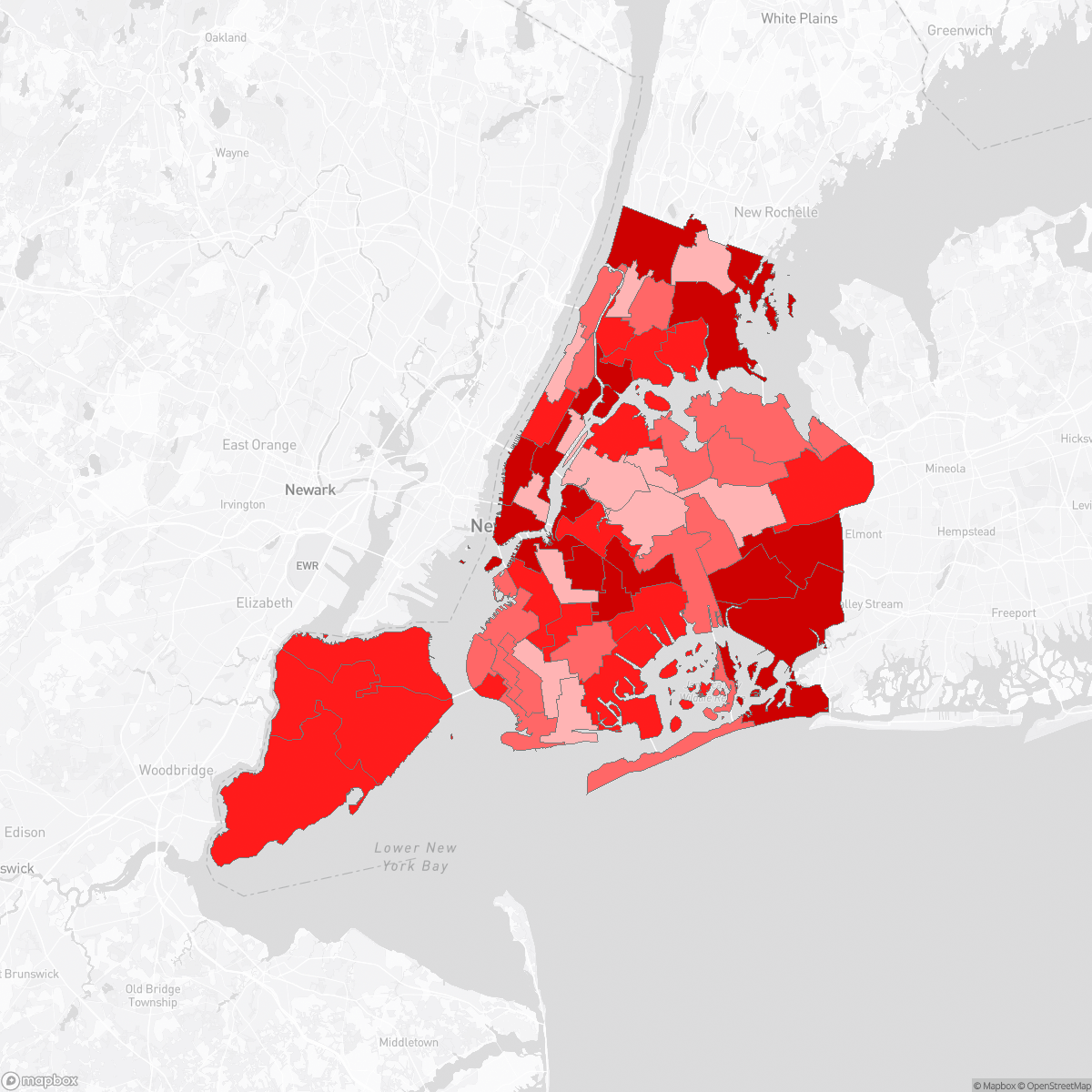
We provide individual dashboards for 525 regions, including all boroughs, city council districts, state assembly districts, state senate districts, police precincts, community boards, and neighborhoods.
Crash Finder
Try Crash Finder
Look up any street, school, address, or intersection to see how safe the streets are.
Built from public evidence - updated nightly
CrashCount uses vetted public datasets and reporting feeds, refreshed nightly.
NYC Crash Count
Jan 1, 2026 - Jun 11, 2026- Crashes 36,424
- Injuries 20,662
- Serious injuries 1,202
- Deaths 89
Motorcyclist killed in crash involving tractor-trailer on George Washington Bridge.

Recent coverage and public statements
Press coverage
Motorcyclist killed on Cross Bronx
A rider hit the back of an SUV on the Cross Bronx, then slammed the divider and was thrown onto the pavement. Medics rushed him to Jacobi, but he died.
Press coverage
Fiery Cross Bronx crash kills rider
Pedro Cortes, 49, died after his motorcycle hit a Dodge Durango on the westbound Cross Bronx near Exit 4. The bike burst into flames. He was rushed to Jacobi, but did not survive.
Public statement
Mamdani Praises Safety‑Boosting Shed Removals And Brighter Designs
City crews pulled down about 1,200 sidewalk sheds since January. New prototypes promise light, sightlines, and space back for people walking.
Public statement
Mamdani Praises Safety Boosting Red Light Camera Expansion
NYC finished its red-light camera buildout at 600 intersections. DOT says red-light running drops hard at equipped sites. Fewer rear-end and T-bone injuries follow. The state cap now blocks more.
Turn local evidence into action
When people can see what is happening nearby, they become a force for safer streets. Use this data to push for lower speeds and stronger repeat-offender enforcement.